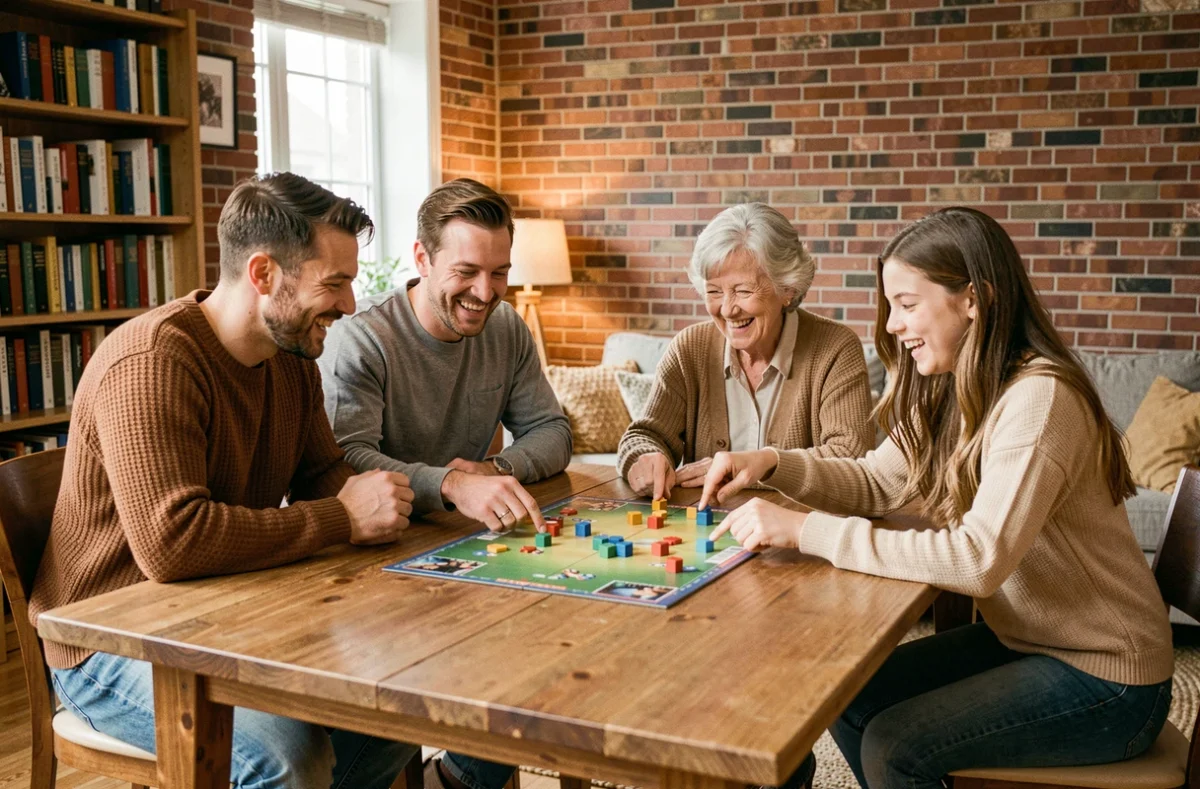
The family leisure market in France is evolving under the influence of several factors at once: a growing range of hands-on workshops, changing policies on access to leisure activities, and parents’ expectations shifting from entertainment to active experiences.
Hands-on family activities: the end of passive entertainment
The clearest trend is the shift towards family outings where children get to handle, make or decide things for themselves. Creative workshops, game-based tours and interactive experiences are gaining ground over shows and attractions that are simply watched or consumed passively.
This shift is not limited to museums. Towns such as Pujols-sur-Dordogne are now building their leisure offerings around activities that actively involve both children and adults. The idea is to offer experiences where every family member has a role, not just a seat.
A look at Joker Amusement news shows just how much operators in the sector are diversifying their activities to meet this demand for hands-on participation, whether through refreshed skill-based games or seasonal themed trails.
This trend raises a practical question for parents: how can you tell a genuinely interactive activity from one that is just marketed that way? Here are a few useful things to check before booking:
- Check whether the activity gives children time to handle materials or create something, rather than just watch a demonstration
- See whether the activity caters to several age groups in the same time slot, so the family does not have to split up
- Make sure children have some say in how the activity unfolds, rather than following a fully guided route

Family cultural itineraries: what the Culture Pass 2030 approach changes
The cultural itinerary approach is gaining ground in family activities. The idea is to think of a cultural outing as a journey rather than a one-off experience. For families, this changes how they plan a day or weekend of leisure.
In practice, the idea is to follow an initial discovery with an activity chosen by the child. For example, a guided tour in the morning followed by a hands-on workshop in the afternoon, selected by the child from several options. This sequence gives young people a say in shaping their own cultural itinerary.
Access and inclusion: an angle often missing from outing guides
The new direction of the Culture Pass also highlights that access to leisure activities depends on geographical proximity and inclusion, not just on the range of activities available. For families far from major urban centres or with a family member with a disability, transport, accessible facilities and pricing remain decisive factors.
Leisure assistance schemes vary considerably from one area to another, making family planning more complicated than simply choosing an activity on a booking website.
Family make-up and holidays: what traditional lists overlook
Most family outing guides assume an unspoken model: two parents, two children of similar ages and a car. Single-parent, blended and larger families, as well as those with children of widely differing ages, rarely see themselves reflected in these recommendations.
Holidays and activities that take this diversity into account remain uncommon in the commercial market. There are some signs that the sector is beginning to adapt: some accommodation providers offer flexible packages based on family size, while some camp and workshop organisers are widening their age ranges to welcome siblings with a larger age gap.
Checking the practical arrangements before booking is still the most reliable approach. The number of places per time slot, whether children of different ages can be grouped together, and access for pushchairs or wheelchairs: these logistical details have a far greater impact on how well an outing goes than its advertised theme.
Outdoor activities and creative workshops: two growing segments for families
Outdoor family activities (themed hikes, educational farms and wildlife-watching trips) remain popular, but the format is changing. Self-guided outings are giving way to organised activities with a specific goal: identifying animal tracks, building a shelter or recognising edible plants.
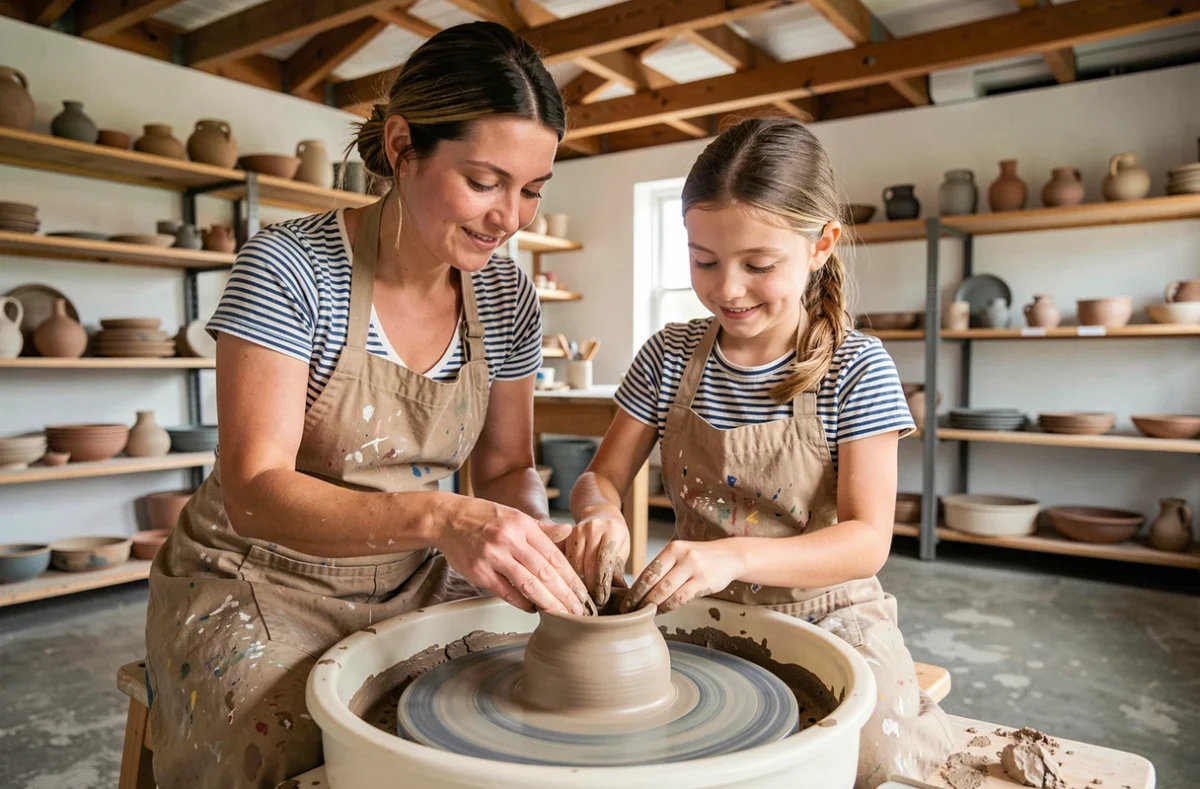
For creative workshops, demand is focused on short sessions that fit around school holidays. Pottery, woodworking and local cooking classes appeal to families looking to take home something they have made rather than just a passive souvenir.
Seasonal events and amusement parks: faster-paced refreshes
Leisure and amusement parks are refreshing their seasonal activities more frequently than they did a few years ago. Halloween, Christmas and Easter each bring temporary themed trails that encourage repeat visits to the same venue.
This constant refresh has a downside: it becomes difficult for parents to compare what is on offer from one year to the next. Programmes sometimes change between the announcement and the actual date, so it is worth checking the details as close as possible to the planned outing.
Family leisure in France is changing less through the arrival of new concepts than through a shift in approach: children are becoming participants rather than spectators, itineraries are replacing one-off activities, and access matters as much as the content itself. Keeping these three criteria in mind makes it easier to navigate an ever-expanding range of options.