The art of gardening is a passion shared by many individuals around the world. Among the various methods of plant propagation, the cutting of fruit trees is particularly interesting. It is a natural process that allows the creation of new trees from existing branches. It is economical and easy to do, even for amateur gardeners. That said, it requires a certain knowledge of the appropriate techniques, timing, and conditions necessary for success. This ancient horticultural technique therefore deserves special attention to allow gardeners of all levels to enjoy their own homegrown harvests.
Cutting Fruit Trees: The Basics to Know
The cutting of fruit trees is a technique of vegetative propagation that allows for obtaining new plants from a part taken from an existing tree. To succeed in this operation, it is important to understand the basics of cutting.
The choice of branches to cut is crucial. It is essential to prioritize those that are healthy and vigorous. Regarding the optimal time for cutting, it varies depending on the species, but generally, spring is when the best results are obtained.
Another crucial step is to properly prepare the cuttings before planting them. There are several preparation techniques: hormonal treatment to promote rooting, soaking in water, or using specific substrates.
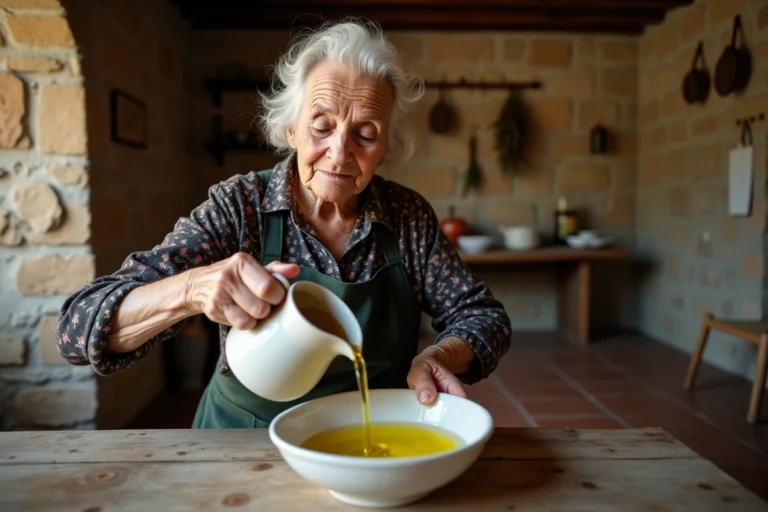
In the specific case of olive tree cuttings, for example, the recommended method is the ‘water olive cutting’. This involves immersing the cut ends of the branches in a container filled with water for a few weeks so that they develop roots before being transplanted into the ground.
Be sure to create optimal conditions to promote successful cutting. Good lighting without direct sunlight and an adequate temperature are necessary to ensure optimal growth of the new plants.
Cutting Techniques: Various Methods to Discover
In the context of cutting fruit trees, different techniques can be used depending on the plant and the desired objectives. Here are some of the most commonly employed methods:
Stooling cutting: This technique involves placing the cuttings in a humid environment and creating a confined atmosphere around them to promote rooting. Mini-greenhouses, plastic bags, or cut bottles can be used to create this conducive environment.
Layering cutting: In this method, rooting is encouraged on a branch already present on the mother tree before separating the new shoot to obtain an independent plant. To do this, simply make a slight incision on the chosen branch and apply a specific substrate that will promote the development of new roots.
Successful Cutting: The Ideal Conditions to Meet
To ensure the success of cutting fruit trees, it is important to respect certain conditions conducive to their development. The selection of cuttings is of paramount importance. It is preferable to choose healthy and vigorous stems, free from diseases or pests. It is recommended to opt for semi-woody or herbaceous branches rather than lignified ones, as these have more potential for rooting.
A good substrate is essential to promote root growth. A mixture of equal parts coarse sand and peat generally constitutes a good composition. It allows for adequate drainage while retaining enough moisture for the cuttings.
Ambient temperature also plays a crucial role in the cutting process. Generally, a temperature ranging from 20 to 25°C promotes rapid rooting of the cuttings. Therefore, be sure to maintain a constant warmth in your environment to optimize the chances of success.
Air circulation is also an aspect not to be neglected during cutting fruit trees. Good air circulation allows young shoots to receive the necessary oxygen for their development while avoiding stagnation that can cause mold or fungal diseases.
Do not forget that watering is a crucial step to ensure the success of your cuttings. A constantly moist soil promotes rooting, but be careful not to overwater to avoid stem rot.
By following these various conditions conducive to the success of cutting, you will significantly increase the chances of obtaining healthy and productive fruit trees. So do not hesitate to put these wise tips into practice during your next cutting sessions.
Avoiding Mistakes: Pitfalls to Avoid When Cutting
When you embark on the exciting process of cutting fruit trees, you need to know the mistakes to avoid to maximize your chances of success. Indeed, even experienced gardeners can sometimes make mistakes that compromise the survival and growth of the cuttings.
One of the most common mistakes is choosing cuttings from sick or weakened branches. Always ensure to select healthy and vigorous stems to obtain a strong and resilient new plant.
Another frequent mistake is related to the timing of cutting the cuttings. You must take the stems at the right time, depending on the type of fruit tree you wish to multiply.
Cutting Fruit Trees: Advantages and Disadvantages
The cutting of fruit trees has many undeniable advantages. This method allows for the rapid multiplication of your favorite varieties. Indeed, by choosing the best branches to make your cuttings, you will obtain seedlings identical to the mother plant. This is particularly interesting if you want to preserve the specific characteristics of a rare or sought-after variety.
Cutting offers the possibility to propagate non-graftable trees. Some types of fruit trees are difficult or even impossible to graft due to their genetic nature or compatibility with the rootstocks available on the market. In these cases, cutting proves to be an effective alternative for multiplying these species and thus diversifying your orchard.
Another advantage of cutting is its technical simplicity. This method does not require expensive equipment or advanced expertise. With some basic knowledge and suitable materials (such as a sharp knife and appropriate substrate), it is possible to achieve satisfactory results.
Despite all its advantages, cutting also has some disadvantages that you need to take into account. One of the main drawbacks lies in the fragility of young plants obtained by cutting. The root systems formed are often less developed than those from traditional grafting, making the seedlings more sensitive to diseases, pests, and unfavorable environmental conditions.
Another disadvantage of cutting is the time required to obtain a mature fruit tree. Unlike grafting, which allows for the rapid acquisition of vigorous trees, cutting requires more patience. Indeed, it often takes several years before the plants from cuttings produce fruit. Therefore, you must be patient and persevering.
The cutting of fruit trees offers many advantages for gardeners eager to multiply their favorite varieties or experiment with non-graftable species. Despite some disadvantages related to the fragility of young plants and the time needed to achieve abundant fruit production, this method remains accessible to all enthusiasts wishing to embark on this fascinating plant adventure.
Suitable Species: Discover the Fruit Trees Suitable for Cutting
In the context of cutting fruit trees, certain species lend themselves more easily to this method of vegetative multiplication. Here are some of the species most suitable for cutting:
The apple tree (Malus domestica): The apple tree is one of the most commonly used fruit trees for cutting. Vigorous varieties can be easily multiplied by semi-woody cuttings taken in summer.
The fig tree (Ficus carica): The fig tree is also a species that responds well to cutting. Lignified branches taken during the winter dormancy period are generally used to make cuttings.
The apricot tree (Prunus armeniaca): The apricot tree can be successfully multiplied by herbaceous or semi-woody cuttings made in summer. It is important to avoid diseases when taking branches.
The vine (Vitis vinifera): The vine is another example of a species that can be multiplied by cutting. Woody fragments taken during the dormant season are often used to obtain new plants.
The almond tree (Prunus dulcis): The almond tree can be reproduced by herbaceous or semi-woody cuttings made during the active growth period, usually in spring or summer.
The cherry tree (Prunus avium): Although the cherry tree tends to be more difficult to cut than other species, it is possible to achieve results using semi-woody cuttings in early summer.
It should be noted that the success of cutting can vary depending on the specific genetic characteristics of each variety and the environmental conditions in which the cuttings are made. It is therefore recommended to research the specific techniques for each species before embarking on this method.
Cutting offers an interesting alternative approach to multiply certain species of fruit trees. By wisely choosing suitable varieties and mastering the appropriate techniques, you can quickly obtain new plants that will retain the desired characteristics.