A poorly suited cable can lead to overheating, power cuts, or fire risks, even in a new installation. French standards impose minimum cross-sections, but compatibility with equipment and the installation environment remains an often-overlooked friction point.
Some configurations require specific cables to maintain safety and compliance, particularly in damp, buried, or mechanically stressed areas. The discrepancies between regulatory requirements and on-site practices continue to be a source of frequent errors.
Understanding the R2V cable and its uses in electrical installation
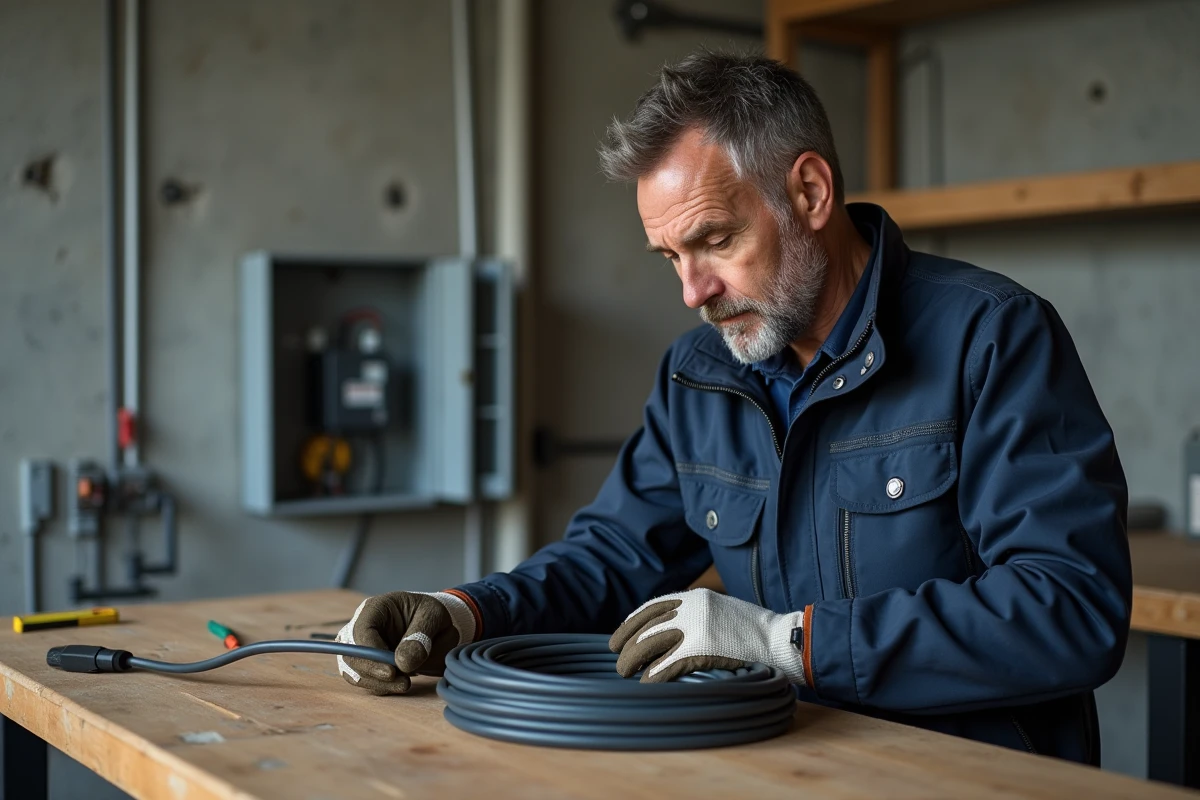
The R2V cable has become essential in electrical installations in France. Praised for its robustness and ease of use, it meets the demands of professionals on all fronts: durability, versatility, performance. Its design, featuring a core made of copper protected by a thick PVC insulating sheath, allows for multiple uses, from the main electrical panel to secondary circuits for outlets or lighting. The outer sheath, resistant to shocks and temperature variations, allows it to be surface-mounted, embedded, or run through ICTA conduit, whether on a new site or during renovations.
In the case of a single-family home, the R2V ensures the connection between the electrical meter (EDF) and the distribution board. Its multi-conductor structure, phase, neutral, ground, simplifies the management of different circuits and enhances the reliability of the installation. Electricians know: this type of cable limits weak points and reduces the risks of unexpected interruptions.
The R2V cable also finds its place in the tertiary sector or industry, as long as PVC insulation and mechanical resistance are in place. However, selecting a type of electrical cable is never just about the cross-section or the number of wires: the quality of the insulation, compliance with standards, and compatibility with the insulating sheath must be closely examined. For further information, the R2V cable on Eklectik provides comprehensive insights into the types, cross-sections, and uses suited to each need.
Here are the characteristics that make the R2V cable an ally for many projects:
- Bare copper conductor: ensures optimal current flow and limits energy losses.
- Double insulated PVC sheath: effectively protects, even in damp or buried areas.
- Versatility: suitable for powering outlets, lighting, heating, or gate motors.
What criteria should be prioritized when choosing an electrical cable?
Selecting the right electrical cable is not a matter of chance. It is a well-considered choice, guided by the analysis of the needs and constraints specific to each installation. The first criterion is the cross-section of the conductor, expressed in square millimeters, which determines the safety and reliability of the network. This cross-section depends on the power of the equipment, the length of the circuit, and the voltage drop tolerated. A cable that is too thin heats up quickly, and there are countless installations that have suffered because of this. Increasing the cross-section without reason raises costs without benefit.
The type of circuit (outlets, lighting, heating, motors) and the maximum voltage supported also guide the choice. It is also essential to ensure that the cable is protected by an appropriate circuit breaker to prevent any incidents in case of overload. The context should not be overlooked: damp areas, underground passages, or establishments receiving the public (ERP) require cables and electrical wires certified for these environments.
To better understand the selection criteria, here are the points to examine:
- Cross-section of electrical wires: to be sized according to the power of the devices and the length of the circuit.
- Compatibility with protection devices: every cable must be associated with an appropriate circuit breaker.
- Type of sheath: a solid PVC insulating sheath is essential in case of exposure or embedding.
- Nature of the installation: adjust the choice according to the environment (ERP, damp areas, industry).
The selection of the type of cable always depends on the context and the power to be delivered. Taking the time to study each parameter ensures a durable and safe installation.
Safety and compliance: the importance of standards for a reliable installation
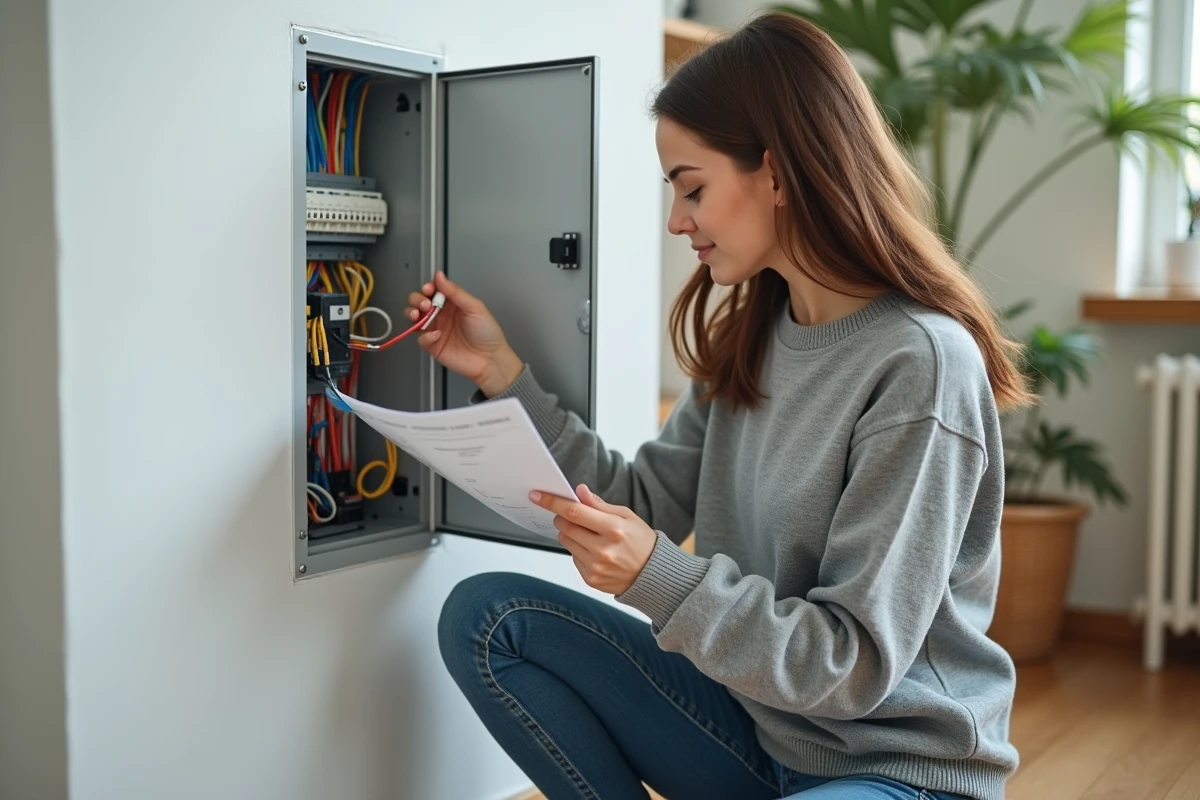
Protecting an electrical installation is not improvised: the NF C 15-100 standard sets the framework in France, from the diagram to the final verification. This regulation governs every step, establishes the color codes for conductors, blue for neutral, green-yellow for ground, other colors for phase, and avoids unpleasant surprises during intervention or inspection.
The NF C 15-100 standard leaves nothing to chance: sizing of cables, protection devices against overcurrents, organization of the electrical panel, everything is scrutinized. In ERPs, the level of requirement increases further, with carefully chosen materials and heightened monitoring of electrical safety.
Some equipment also falls under the NF C 32-321 standard: compliance with this framework is mandatory, from the installation of the R2V cable to the final verification. A compliant installation means fewer risks of fire, short circuits, or serious accidents.
To ensure compliance and safety, keep these points of vigilance in mind:
- Respect the color codes: safety during interventions
- Check compliance with standards before commissioning
- Opt for NF certified components for any electrical installation
Taking these precautions protects both people and installations. A well-executed, compliant installation is the promise of a reliable network, whether in a home, a business, or a public place. It is up to everyone to prioritize safety, so that electricity remains an ally, never a danger.