Since 1998, responsible tourism has established itself as a discreet yet tenacious force, showing an annual growth rate significantly higher than that of traditional tourism, according to data from the World Tourism Organization. Today, more than 500 active programs span the five continents. Behind each initiative lies a simple principle: the direct link between those who travel and the communities that welcome them.
France is not just a bystander in this field. With 12% of the French having participated in a social or environmental mission abroad, the commitment is real. Despite the diversity of countries, modes of action, or projects, the common goal remains: to blend curiosity, usefulness, and involvement without pretense.
Solidarity Travel: Understanding the Foundations of a Transformative Commitment
The solidarity travel responds to a thirst for coherence and responsibility. It is no longer just about a round-the-world trip or a tourist checklist; it is about meeting people, acting with respect, supporting local communities, and boosting the local economy. 2027 has already been announced as the International Year of Sustainable and Resilient Tourism by the UN. This is significant: the dimension of sustainable positive impact is becoming essential.
Choosing to go on solidarity holidays with Le Voyageur Solidaire means investing in projects woven with the locals, based on their concrete needs. The possibilities are numerous: teaching, agriculture, local crafts, nature protection… Each stay finds its meaning on-site, and each experience challenges preconceived notions about “volunteering abroad.”
With solidarity tourism, the change of scenery is not just a simple backdrop. Initiatives, in France and elsewhere, uphold the principles of ethics and mutual respect. Whether it is an eco-volunteering project, supporting education, or heritage restoration, everyone can align their commitment with a personal trajectory, at the intersection of their values and their desire to take action.
What Forms of Solidarity Tourism to Choose? Reference Points for Guidance
Solidarity tourism today comes in several models where equity and participation are at the center. To clarify, here are the main formats to consider based on one’s desires and capabilities:
- Fair tourism: each service is compensated at its fair value, short circuits become the norm, and the host-traveler relationship is based on genuine exchange.
- Participatory tourism: teaching, assisting artisans, helping with heritage restoration, or sharing a trade are direct ways to get involved and create connections.
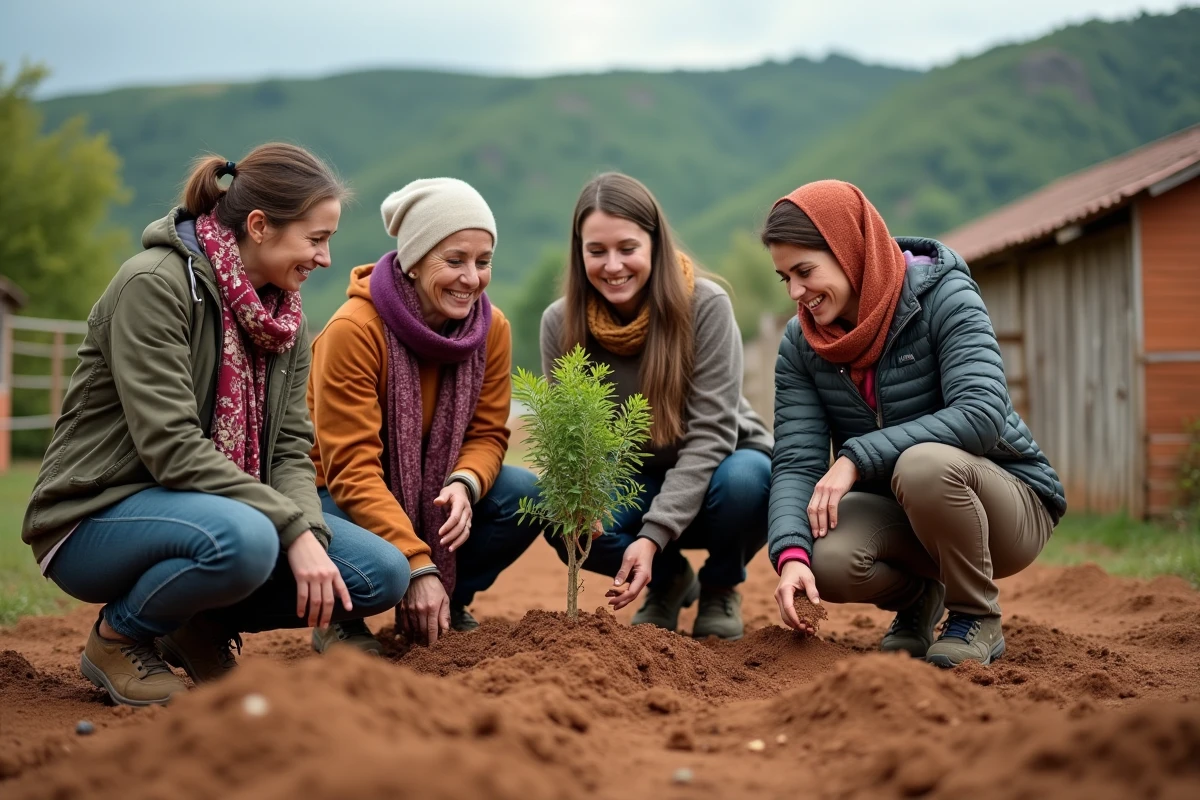
- Eco-volunteering: acting for the preservation of nature, whether with endangered animals, in conservation projects, or through scientifically-oriented missions.
Each solidarity project is built around several parameters: participant profile, skills, availability, desire to act on the ground, or need for cultural immersion. Some experiences prioritize language learning, while others focus on manual skills, health, education, or crafts. The choice of destinations, from Asia to Africa to South America or the Pacific, illustrates the breadth of the movement and invites one to broaden their horizons. It is also an opportunity to clarify motivations, between openness to others, collective action, and the desire to leave a meaningful impact.
At the Heart of the Experience: Concrete Action and Unfiltered Encounters
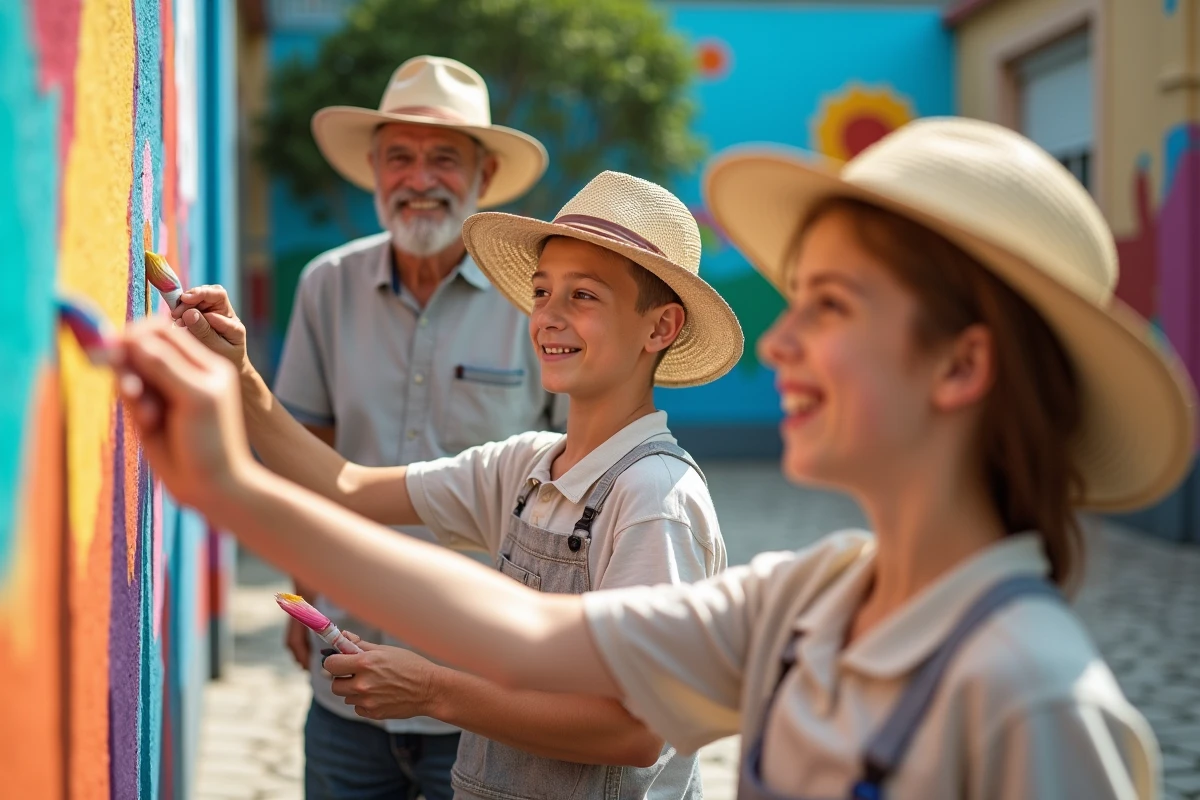
Solidarity holidays shake up the codes of ordinary travel. It is impossible to settle for observing from a distance: one participates, collaborates, shares daily life in African villages, within Asian cooperatives, or local associations in Latin America. Cultural immersion takes on its full meaning: learning a language, living differently, passing on a skill, drawing inspiration from local life—nothing is fixed, everything is built through encounters.
On the ground, solidarity projects take many forms: restoring schools, artisan workshops, supporting education, reforestation projects, or discovering local music. Everyone finds a way to get involved: teaching a few words of French, supporting a group of young people in a workshop, participating in health initiatives, or passing on a skill. Students meet groups of friends, families, solo travelers: this diversity enriches the collective dynamic and overturns stereotypes.
Here are the three main dimensions that shape this experience:
- Meet: share a family’s roof, take the time to listen, understand other ways of seeing the world.
- Act: be useful in a concrete way, hand in hand with those who live there, see the effects of one’s involvement.
- Learn: try a new profession, adapt one’s pace, discover the strength and richness of the collective.
These solidarity holidays rarely leave one indifferent. They challenge certainties and provide the momentum to continue acting, here or there. One often returns different, enriched by connections made far from anonymous circuits, with new ways of looking at and inhabiting the world in mind.