
The calf endures a considerable repetitive load with each stride, and the resulting pathologies (soleus strain, associated Achilles tendinopathy, gastrocnemius elongation) almost always stem from programming errors. Here, we detail five specific training flaws, often absent from general guides, that directly increase mechanical stress on the calf-Achilles complex.
1. Accumulating downhill sessions without modulating eccentric volume

Downhill running imposes prolonged eccentric work on the gastrocnemius to slow down body mass with each footfall. This eccentric overload far exceeds that of a flat course at an equivalent pace. Runners who incorporate regular negative elevation changes without reducing their weekly mileage expose their muscle fibers to a buildup of micro-injuries that the standard recovery cycle does not compensate for.
We observe that trail training plans often neglect the quantification of specific eccentric volume. Reducing the total volume in the week following a session with significant negative elevation remains the most direct measure to limit calf pain. Scheduling two consecutive hilly runs without adjusting the rest of the load is a recurring pattern among runners who develop low soleus strains.
To better understand the mechanisms linking eccentric load and runner calf injuries, one must consider residual fatigue as a programming parameter in its own right, not just a simple subjective feeling.
2. Increasing plyometrics and short hills on an already sensitive Achilles tendon
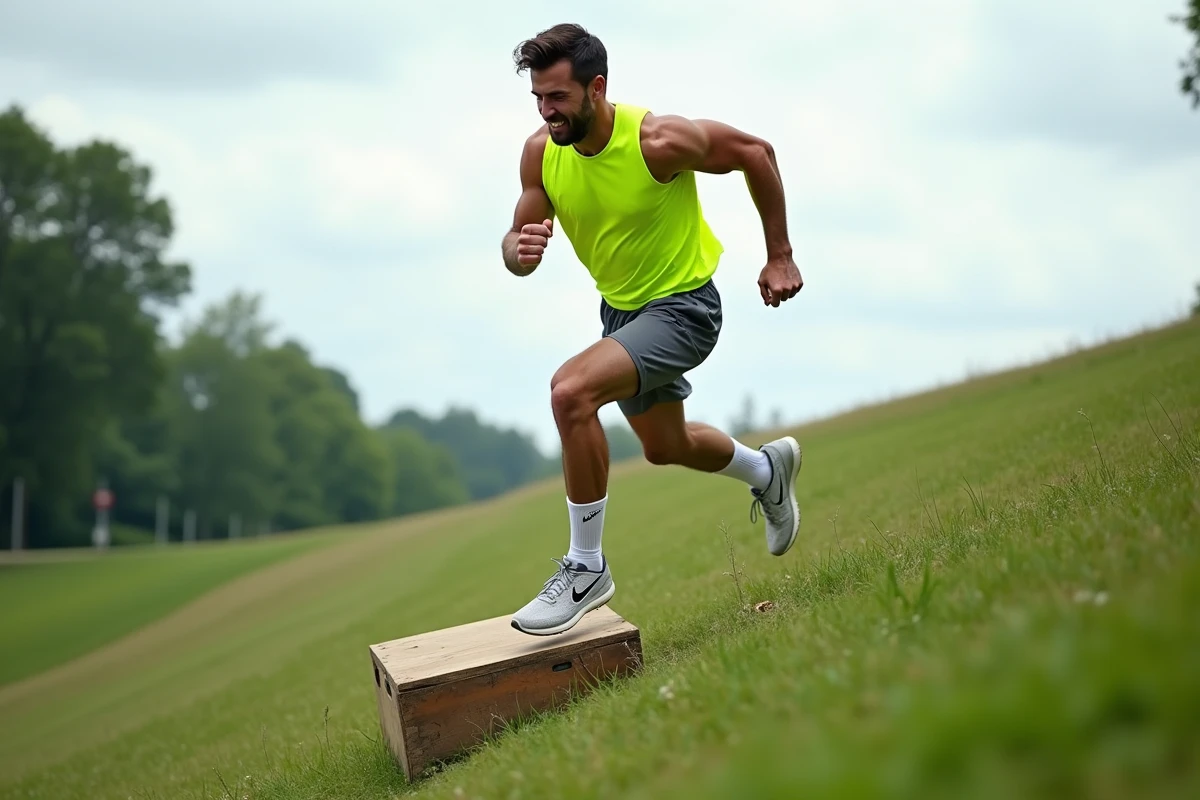
Plyometrics (drop jumps, bounds, explosive stair climbs) and repetitions of short hills are presented as preventive tools. They are, provided that the calf-Achilles complex is not already overloaded. Field data from programs like La Clinique du Coureur confirm that too rapid a progression in plyometrics exacerbates calf pain in runners with pre-existing tendon fragility.
The trap is classic: a runner feels moderate Achilles stiffness, adds plyometric strengthening exercises “to protect the tendon,” and triggers reactive tendinopathy. The soleus, the primary shock absorber in the plyometric cycle, then undergoes stress it can no longer absorb.
We recommend distinguishing two phases. During periods of tendon sensitivity, isometric strengthening (like wall sits on tiptoes) should precede any plyometric load. Plyometrics should only be introduced after complete disappearance of morning stiffness in the Achilles tendon for at least two consecutive weeks.
3. Maintaining the same volume after switching to carbon-plated shoes
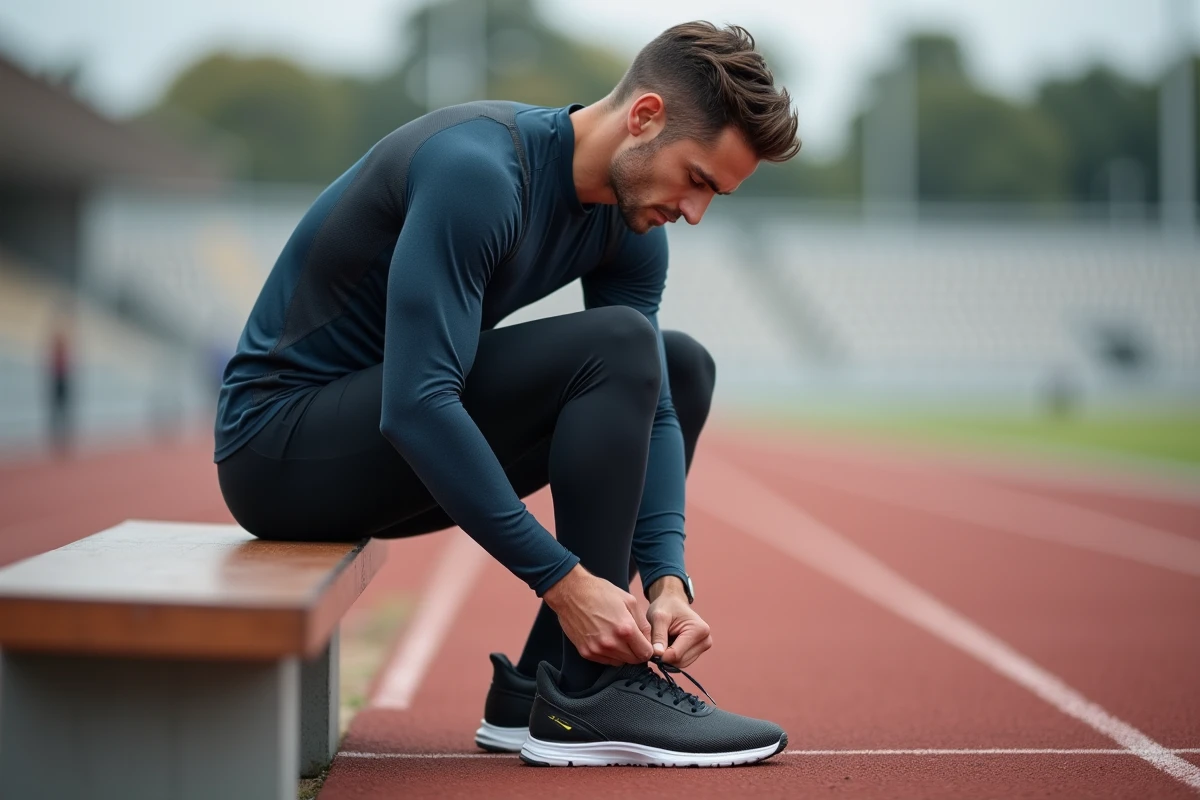
Carbon-plated shoes and maximalist models alter the distribution of mechanical stresses during the stride. Several biomechanics studies describe a load transfer from the foot to the calf-Achilles complex at higher paces. The stiffness of the sole reduces the work of the intrinsic foot muscles and shifts the effort of cushioning and propulsion onto the gastrocnemius and soleus.
A runner transitioning from a traditional shoe to a carbon-plated model without adjusting their training volume or paces increases the cumulative load on the calf, sometimes significantly. This transfer is even more pronounced during threshold or VO2 max sessions, where speed amplifies ground reaction forces.
The transition should follow the same logic as a drop change: temporary reduction of fast running volume, gradual introduction into quality sessions, and maintenance of long runs with the usual model for several weeks.
4. Ignoring postural fatigue of the soleus in runners standing all day
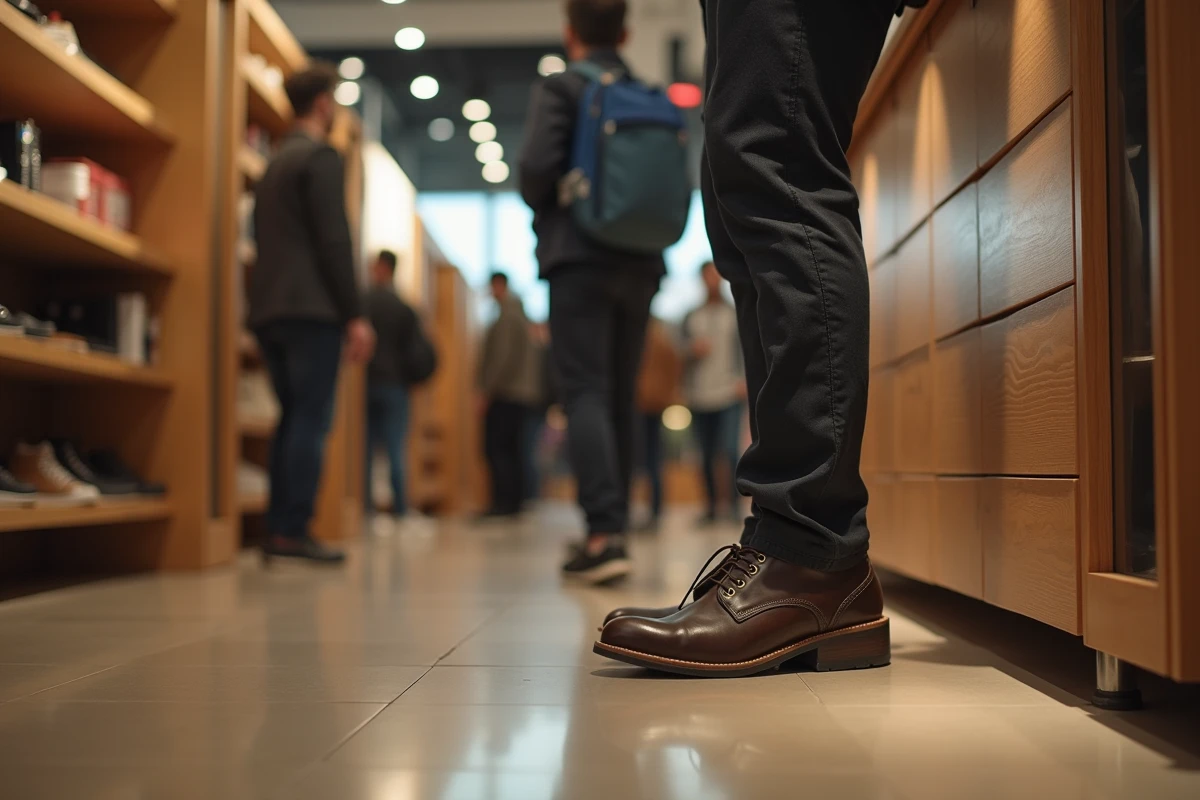
Clinicians report an increase in soleus injuries among runners who combine running with prolonged standing work. Prolonged static position generates low fatigue in the soleus which reduces its absorption capacity during running, even if the runner does not feel pain before the session.
This factor is rarely integrated into planning. A runner who spends eight hours standing followed by an interval session in the evening starts with a deficit of muscle compliance that a standard warm-up does not correct. The soleus, already in prolonged tonic contraction, no longer has the elastic reserve needed to absorb repeated impacts.
Three concrete adjustments can reduce this risk:
- Schedule intensive sessions on days with less standing, or in the morning before the workday
- Interleave sitting breaks with foot elevation during the day to unload the soleus
- Replace the standard warm-up with a protocol including progressive isometric contractions of the calf before the first dynamic effort
5. Eliminating recovery weeks in favor of a constant volume
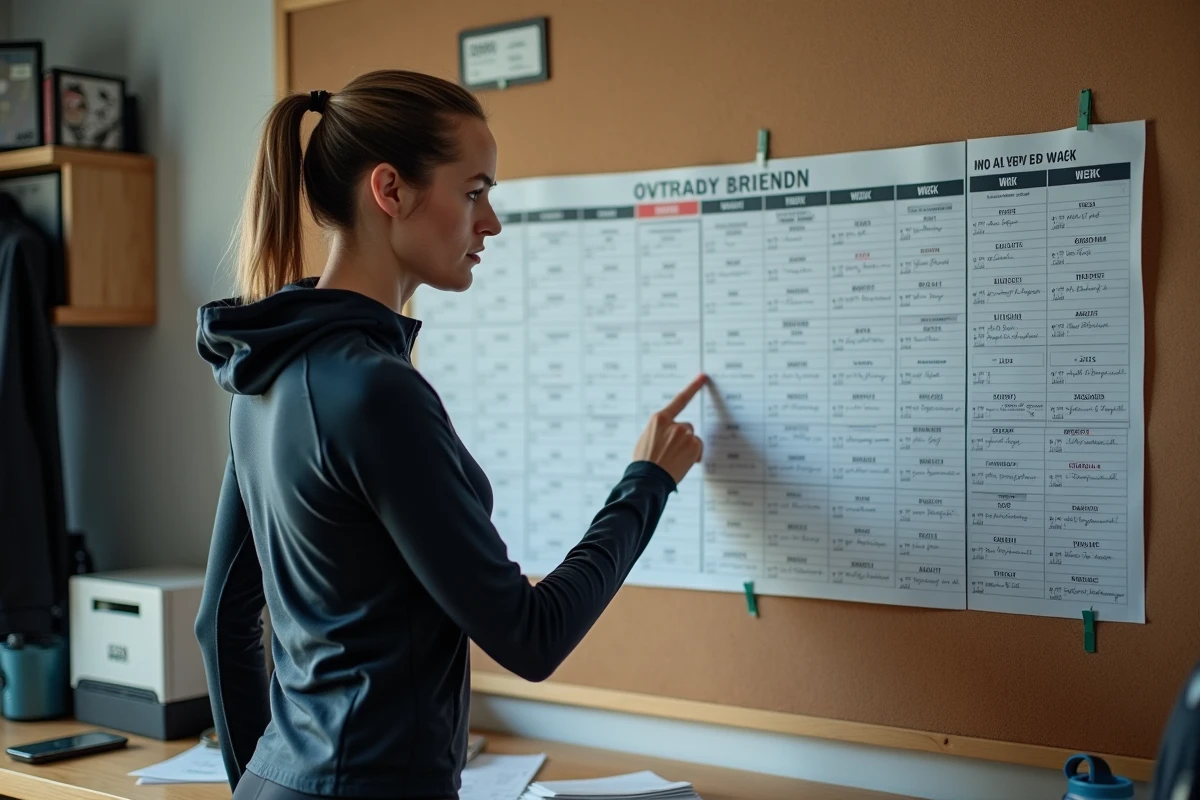
Maintaining the same weekly mileage week after week, without a recovery week, prevents the calf’s muscle supercompensation. The fibers of the soleus and gastrocnemius accumulate micro-damage that only a periodic reduction in load allows to fully repair.
A recovery week every three to four weeks is not a luxury for a fragile runner. It is a physiological necessity for the connective tissues of the calf, whose renewal rate is slower than that of pure muscle fibers. The Achilles tendon, in particular, requires this remodeling time to adapt its stiffness to the imposed load.
Runners who schedule blocks of six or eight weeks without recovery often notice a progressive stiffness in the calf that precedes a clear injury. The soleus strain then appears as a warning signal that planning should have anticipated.
Each error described here refers to the same principle: the calf does not get injured due to a lack of strength, but due to excessive uncompensated load. Programming takes precedence over strengthening, and managing cumulative fatigue (eccentric, postural, mechanical) is the most underestimated prevention lever among regular runners.